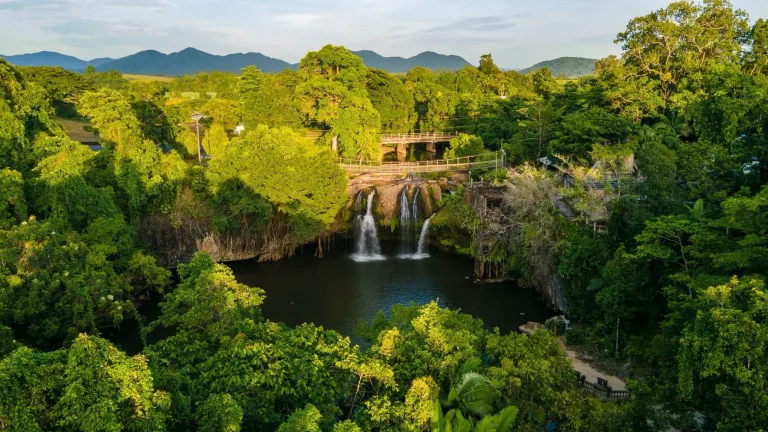
The Atherton Tablelands is one of the most diverse and picturesque regions in Tropical Far North Queensland, just a one-hour drive west/southwest of Cairns, with temperatures 5-10 degrees cooler and elevations between 600 -1100 metres above sea level. It stretches from the open savannah plains of Mareeba to the lush, rainforest-clad mountains on an elevated volcanic plateau. It has a plethora of National Parks, with waterfalls, lakes, and rainforests creating perfect habitats for wildlife and birdlife. The rich volcanic soils create ideal growing conditions for the agricultural industry, which generations of families still manage, growing prime produce today. The region has a fascinating geological history and a rich cultural heritage of several traditional landowner groups across the region.
A Region Shaped by Ancient Volcanoes
Millions of years ago, this region was shaped by powerful volcanic activity. Today you can see the results of an elevated volcanic province, whose rich basalt soils continue to nourish the land. The legacy of these volcanoes includes lava flows, carved valleys and escarpments, and collapsed volcanic craters that formed natural wetlands and deep, pristine freshwater lakes. Two of the finest sit within Crater Lakes National Park, Lake Eacham and Lake Barrine. These picturesque lakes are popular for swimming during the warmer months, while the historic teahouse overlooking Lake Barrine offers a scenic place to relax. It also includes the spectacular waterfalls, rainforests and wildlife habitats that make this region a must-see destination.
Nature’s Pantry: Food and Produce of the Tablelands
The rich basalt soils, abundant rainfall, and cool mountain climate have transformed the Atherton Tablelands into one of the most productive agricultural regions in Australia, providing a perfect backdrop for a scenic lunch. Generations of farming families have cultivated extraordinary produce, including premium coffee, tropical fruits, vegetables, avocados, macadamias, dairy products, chocolate, sugar cane, tea, peanuts and award-winning spirits. The region’s clean environment and ideal growing conditions have earned the Tablelands a reputation for producing some of the finest fresh produce in Australia.
A Landscape Rich in First Nations Culture
Across the Southern Tablelands, four Traditional Owner groups hold significant cultural heritage in this country. For thousands of years, traditional custodians have managed and cared for these landscapes, holding deep knowledge of the rainforests, waterways, wildlife and seasonal cycles. This cultural knowledge from these groups remains an essential part of understanding and managing the environment across the Tablelands. By acknowledging the traditional custodians of the places you visit and sharing their stories that connect people, landscape, and nature, you enrich your awareness on your visit while giving respect to the First Peoples.
Protecting the Endangered Mabi Rainforest
Before European settlement, much of this unique volcanic landscape thrived under thick, dense rainforest. As mining and settlement expanded, more and more rainforest was cleared, today you will find small patches between towns of Atherton, Kairi, Malanda and Yungaburra. The Mabi Rainforest is listed as a critically endangered ecological community under the Commonwealth Environment Protection and Biodiversity Conservation Act 1999 (EPBC Act). A number of conservation groups are working together to protect and conserve this critically endangered ecosystem.
Reforest is a program that connects businesses with local projects that restore nature. Across the Tablelands, partnerships between local landholders and farming families are helping restore this precious ecosystem. By generously returning sections of their land to nature, they are creating wildlife corridors that reconnect fragmented rainforests and allow native species to thrive once again, making it one of the best things to see in the area.
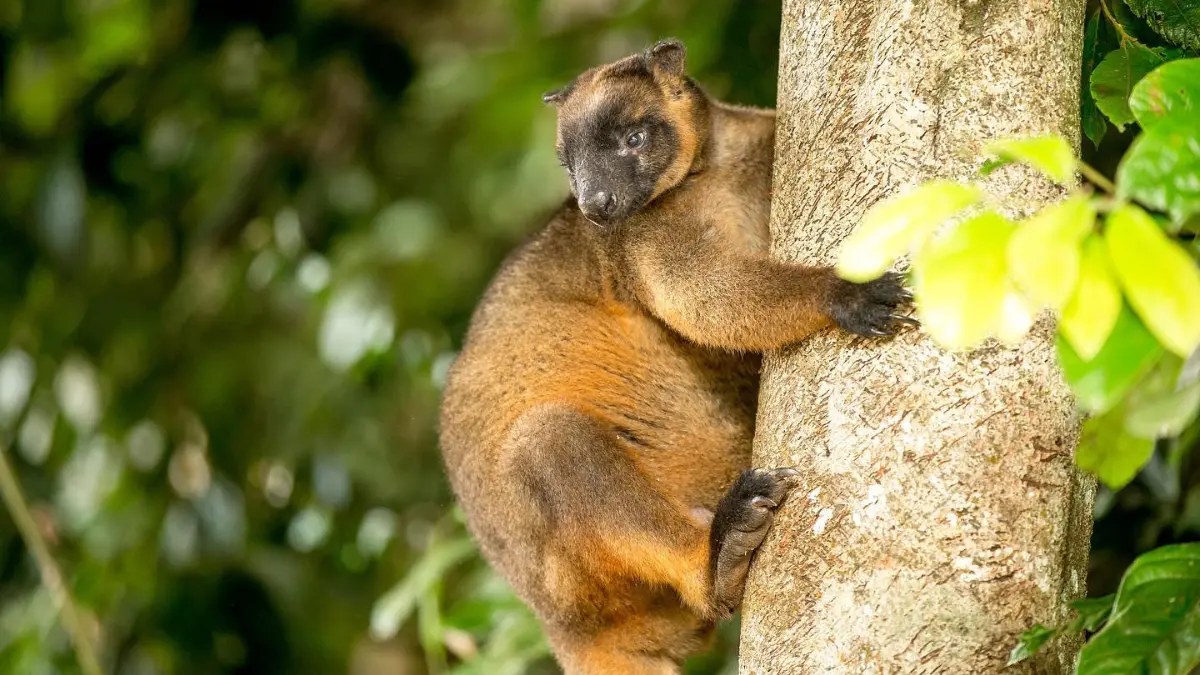
Tropic Tours is proud to support this initiative, contributing financially every month towards restoring the endangered Mabi Rainforest. The restoration project provides a safe haven for rainforest species including the Lumholtz’s tree-kangaroo, one of Australia’s unique marsupials, found only within the Wet Tropics of North Queensland.
Atherton Tablelands Waterfalls
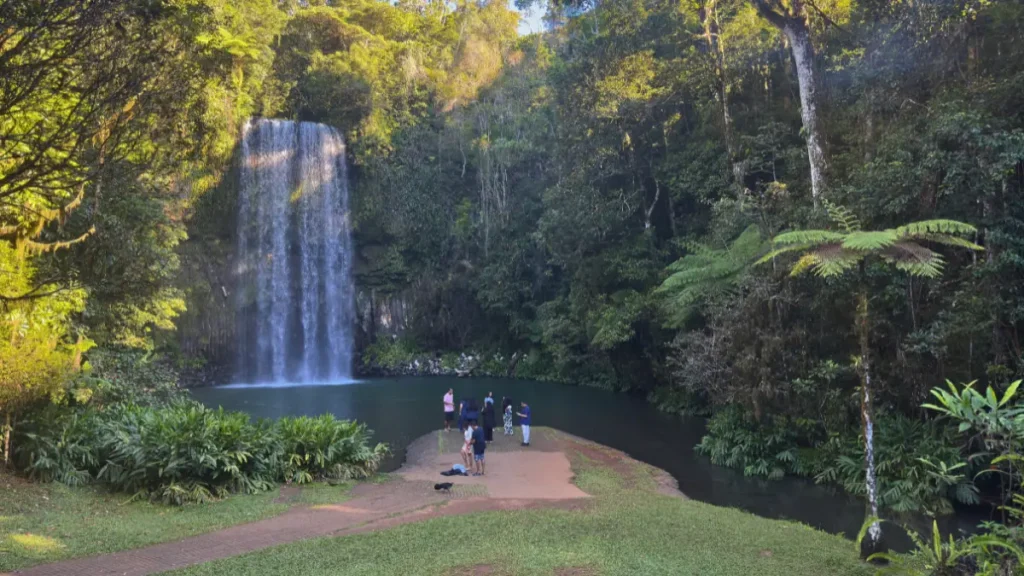
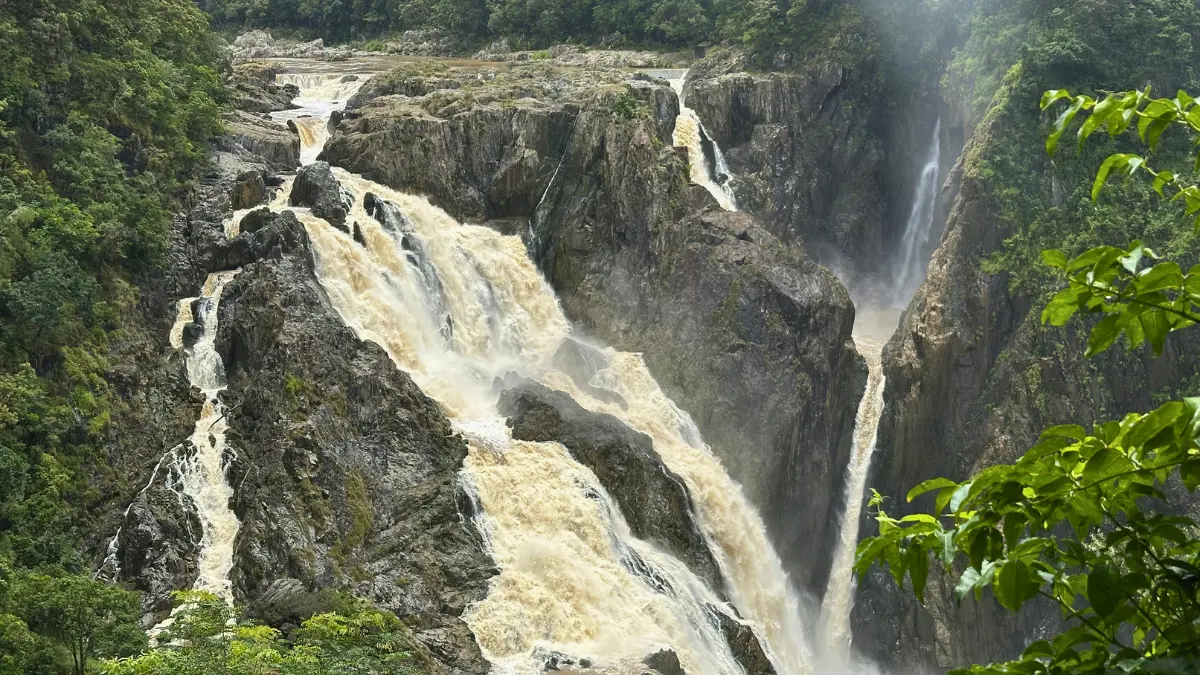
Rarely do you find so many natural waterfalls in one region, all shaped by the ancient volcanic landscapes that make the Atherton Tablelands so unique. Over millions of years, rivers carved through ancient lava flows to create some of the Tablelands’ finest waterfalls, cascading into clear plunge pools surrounded by lush tropical rainforest. Highlights include the stunning Millaa Millaa Falls, Barron Falls, Malanda Falls and Dinner Falls, with many more beautiful waterfalls to discover across the region. Short hike options and rainforest trails lead to several falls, while at Kuranda the viewing platform above Barron Falls gives a spectacular outlook over the gorge. After a walk, most of these plunge pools are the perfect place to refresh, especially after visiting the stunning waterfall circuit.
We showcase a few of these waterfalls on our Taste of the Tablelands tour.
Rainforest Wildlife and Where to Spot Them
The diverse landscapes of the Atherton Tablelands, from savannah to tropical rainforest, make this area a playground for birdlife and wildlife lovers. Alongside an incredible array of birds, you may be lucky enough to spot a platypus, a Lumholtz’s tree-kangaroo, pademelons and countless other rainforest species while exploring this spectacular region.
The Atherton Tablelands forms part of the UNESCO World Heritage-listed Wet Tropics of Queensland, one of the oldest continuously surviving tropical rainforests on Earth. Fragmented rainforests and national park pockets throughout the Tablelands, many of them reachable on short hikes along easy trails, create incredible habitats for wildlife found nowhere else.
Among the granite boulders of Granite Gorge Nature Park, day visitors can enjoy an unforgettable encounter with the endangered Mareeba rock-wallaby. Found only in North Queensland, these curious little marsupials have adapted perfectly to life among the rocky outcrops, making this one of the few places where visitors can see them up close in their natural environment.
Charming Historic Country Towns of the Tablelands
What truly makes this region are its communities and the warm, genuine hospitality of the country. Historic main towns such as Mareeba, Yungaburra, Malanda and Millaa Millaa each have their own unique story that reflects the pioneering spirit that helped shape the region, adding to the rich tapestry of things to see around Cairns. Near Yungaburra, the towering Curtain Fig Tree within the fragmented Mabi Rainforest is one of the Tablelands’ most photographed natural landmarks. Local cafés, galleries, markets and family-owned businesses keep the Tablelands vibrant, welcoming visitors into a relaxed rural lifestyle.
Explore the Best Things in the Atherton Tablelands in One Day
Our Taste of the Tablelands experience brings together geology, rainforest, waterfalls, wildlife, local produce, conservation and culture in one carefully curated small-group adventure. It’s more than a sightseeing tour. It’s a chance to discover the stories behind the landscapes, meet the people who care for them, and experience the incredible diversity that makes the Atherton Tablelands one of Tropical North Queensland’s true hidden treasures.
Prefer a completely tailored day at your own pace? So much to see and do in one region, explore our private tours for a customised Atherton Tablelands itinerary built around your interests and timeframe.
Join Tropic Tours and discover why the Atherton Tablelands is a destination to be savoured, explored and protected for generations to come.
Every Journey Gives Back
When you choose to explore the Atherton Tablelands with Tropic Tours, you’re doing far more than creating unforgettable memories. You’re helping support the people, communities and landscapes that make this region so special.
Throughout the day we visit locally owned businesses including Skybury Coffee Plantation, Mt Uncle Distillery, Granite Gorge Nature Park and Gallo Dairyland. Every visit supports local families, regional producers and passionate business owners who proudly showcase the very best of the Atherton Tablelands.
Many of the delicious products you enjoy along the way are grown, harvested and crafted right here on the Tablelands, giving you the chance to buy directly from the producers themselves while supporting Australia’s rural communities.
Your journey also contributes to conservation. Through Tropic Tours’ reforestation initiative, every guest helps restore the critically endangered Mabi Rainforest, supporting the regeneration of native rainforest habitat for iconic wildlife including the elusive Lumholtz’s tree-kangaroo.
By travelling with purpose, you’re not simply visiting the Atherton Tablelands, you’re helping preserve its landscapes, support its communities and protect its future.
Ready to experience the gorgeous landscapes and vibrant wildlife for yourself? Book the Taste of the Tablelands tour with Tropic Tours or get in touch with us.
Atherton Tablelands: your questions answered
How far is the Atherton Tablelands from Cairns?
About an hour’s drive west. Approximately 50km south of Cairns is the Gillies Range, a scenic drive through the Goldsborough Valley with a 19 km climb. The closest range to Cairns, only 21 km away, is the Kuranda Range. A lovely transition from the city drive into dense tropical rainforest. The climb up the range is part of the fun, and the temperature drops noticeably as you gain height.
How long do you need?
A full day covers the highlights. Give it 2 to 3 days if you want to slow down, swim more, and explore the smaller towns. The Tablelands offer many charming accommodation houses, but we recommend Hitching Rail Retreat.
Which waterfalls can you see in one day?
Millaa Millaa Falls and Barron Falls are the easy headline stops, and you can add crater lakes and a couple of smaller falls depending on your route.
Can you really see a platypus or a tree-kangaroo?
Yes, though wildlife never reads the schedule. Platypus can be sighted at Petersons Creek by taking the Botanical walking track in Yungaburra. Malanda Conservation Park walking track is often a popular place for sighting tree Kangaroos. Granite Gorge nature Park in Mareeba, never disappoints! Here you will near-certainty enjoy seeing Unadorned Rock Wallabies.
When is the best time to visit?
May to October is cooler and drier and great for walking. The waterfalls run fullest through the wet season, roughly December to April.